
Top 7 China Manufacturing Trends & Changes for Global Importers
By Samantha,
Dec 20, 2025
China's manufacturing landscape is evolving rapidly. Global importers must stay informed to seize new opportunities.
China's manufacturing industry is moving from focusing on costs to playing a more strategic part in the global supply chain. This change is propelled by advancements in digitalization, smarter sourcing methods, stricter standards in environmental, social, and governance (ESG) practices, and higher demands for quality.
Meanwhile, adaptable production strategies, the "Dual Circulation" policy, geopolitical tensions, and the fast expansion of retail and e-commerce are changing manufacturing trends. They are altering how global importers select suppliers, deal with risks, and remain competitive.
Understanding these trends is vital for global buyers. It helps them navigate the complex China supply chain landscape effectively.
China is a global manufacturing powerhouse. It contributes significantly to the world's supply of goods. Over the years, the manufacturing sector in China has adapted and evolved. The industry is marked by several key characteristics. These include a vast labor force and advanced manufacturing capabilities. Additionally, it features extensive supply chain networks.
Recent trends show a shift towards smart manufacturing in China. Companies are investing in IoT and automation. This change is crucial for staying competitive globally.
China continues to lead in various sectors. Electronics, textiles, and automotive industries are among the most prominent. The country's capacity to innovate remains strong.
Global partnerships are increasingly important. Collaborations help exchange technology and expertise. As China advances, such connections benefit all involved.
China remains one of the leading options for businesses seeking to source their products and materials. Several significant reasons contribute to this ongoing preference among importers from around the world. Here are the key advantages of sourcing from China:
China offers vast production capabilities. This allows for high-volume orders at competitive prices. Importers benefit from economies of scale.
The advanced infrastructure supports smooth logistics. Ports, roads, and communication networks are well-developed. This facilitates the timely delivery of goods.
Innovations in technology also play a part. Smart manufacturing and IoT improve product quality. Importers gain a competitive edge through enhanced offerings.
China offers a comprehensive supply chain. From raw materials to finished products, each step is integrated. This helps streamline processes and reduce costs.
To fully benefit from these advantages, global importers should find key manufacturing trends and changes that are changing China's role in the global supply chain.
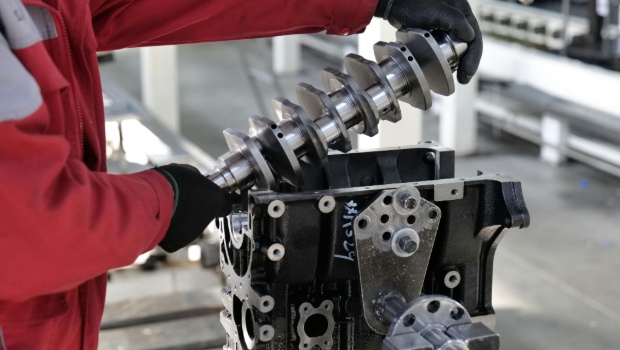
China's manufacturing sector is evolving rapidly. It offers new opportunities for global importers. Key trends are driving these changes, reshaping the landscape.
These trends fall into several categories. Importers should pay attention to these shifts. They can capitalize on new sourcing opportunities and adapt effectively:
Broad Role in the Global Supply Chain
Advancements in Digitalization and Smart Sourcing
Essential Commitment to Sustainability and ESG Standards
Increasing Technology in Quality and Premiumization
Adapt with Flexible, Small-Batch, and Modular Production
"Dual Circulation" Strategy and Focus on Domestic Markets
Growing Influence of Retail & E‑Commerce
China's manufacturing sector is central to the global supply chain. In 2025, the nation accounted for about 30% of the world's manufacturing added value, holding its place as the top manufacturing powerhouse globally for the 15th year.
With a large production network, it helps many industries. The connected industrial groups, strong supplier base, and good logistics system allow global importers to source effectively and quickly.
Flexibility and scalability are key strengths. Chinese manufacturers can quickly adapt production lines. This meets changing demands and ensures timely delivery.
Partnerships extend China's reach further. Collaborations with overseas companies enhance capabilities. These partnerships facilitate knowledge and technology transfer, benefiting all parties.
Digital transformation is reshaping manufacturing in China. The adoption of smart technologies is on the rise. This shift is crucial for efficiency and competitiveness.
IoT in manufacturing enhances real-time monitoring. It allows for data-driven decision-making. Manufacturers can optimize processes and reduce downtime.
For three years, China has been starting smart manufacturing projects. They have created 421 national demonstration factories and more than 10,000 digital workshops.
These factories use technologies like AI and digital twins. Over 90 percent of them use these tools. 5G is also widely used for quality checks, mining, and other areas. The Industrial Internet now includes many industries with over 200 applications.
As a result, Jiangxi saw energy use drop by 9 percent in high-consuming industries over two years. The province plans to help over 10,000 companies undergo digital transformation in the next two years.
Smart sourcing is another critical trend. Digital platforms connect buyers and suppliers directly. This streamlines the sourcing process and reduces costs. It provides global importers with real-time supply chain visibility.
EJET Procurement can enhance your procurement operations using an API for automation. This includes tailored product suggestions, intelligent price comparisons, and user-friendly online contracts. Keep tabs on your orders in real-time for better transparency. Our automation process helps increase efficiency and minimize mistakes.

China's manufacturers are embracing sustainability. Environmental, social, and governance (ESG) standards are increasingly important. They shape modern manufacturing practices significantly.
Reducing carbon emissions is a major focus. Manufacturers are investing in energy-efficient technologies. This shift supports global environmental goals.
Sustainable practices being adopted include:
Use of renewable energy sources
Waste reduction and recycling initiatives
Ethical labor practices and fair trade
In China, green industrial parks use 2/3 less energy and 1/4 less water. They also recycle more than 95% of their waste.
Manufacturers recognize the importance of ESG compliance. It enhances brand reputation and meets consumer expectations. Global importers demand products that adhere to these principles.
Sustainability also drives innovation. New materials and processes are being developed. These contribute to a more sustainable manufacturing ecosystem. The focus on ESG reflects a commitment to future-friendly practices.
Technological advancements are redefining quality standards. China’s manufacturers are prioritizing premiumization. Advanced tools ensure consistency and excellence in production.
Across the country, China has developed over 500,000 high-tech businesses in the last five years. Now holding the world's largest portion of science and tech innovation centers.
Key areas of technology application include:
Precision engineering for high-end products
Robotics for efficient assembly lines
Advanced materials for increased durability
Premiumization extends to product design. Manufacturers focus on customization to cater to market needs. This allows for unique and innovative product offerings.
Technology facilitates rapid prototyping and testing. It supports innovation while maintaining high standards. These advancements keep Chinese manufacturers at the forefront of the market.
Flexibility in production is vital. Based on our over 3000 vetted manufacturers' network, we find that China's manufacturing sector is increasingly adopting modular systems. This approach meets diverse market demands efficiently.
Small-batch production is gaining popularity. It offers personalized and customized products. This trend caters to unique consumer preferences.
Benefits of flexible and modular production include:
Rapid shifts in product lines
Lower inventory costs
Enhanced customization capabilities
Manufacturers can quickly pivot to new trends. This agility is vital in competitive markets. It allows for experimentation and innovation.
Integration of modular systems supports efficiency. It reduces downtime and enhances output quality. This adaptability is critical for meeting global buyer expectations.
China's "dual circulation" strategy focuses on domestic growth. This initiative boosts the internal market while maintaining global ties. It reflects a balanced development approach.
The strategy emphasizes domestic consumption. Manufacturers are encouraged to target local consumers. This shift enhances economic resilience and stability.
The "dual circulation" strategy focuses on encouraging innovation and local brands, enhancing domestic supply chains, and investing in technological advancements.
The focus on domestic markets does not exclude global engagement. China remains committed to foreign trade and investment. It seeks to integrate domestic and global markets effectively.
This strategy opens new opportunities. It supports local manufacturers in competing globally. Importers benefit from a stable, diversified supply base.
E-commerce is reshaping manufacturing strategies. China's industry is rapidly adapting to digital sales. This trend opens new growth avenues for global importers.
E-commerce facilitates direct consumer engagement. Manufacturers gain insights into consumer preferences. This data drives product innovation and development.
Key impacts of e-commerce on manufacturing include:
Enhanced distribution channels
Increased demand for fast production
Direct-to-consumer business models
Manufacturers are adopting omnichannel approaches. Combining online and offline sales optimizes reach. This ensures broader market penetration.
Global importers can source from B2B wholesale platforms like Alibaba, 1688, DHgate, Banggood, etc. The synergy between manufacturing and e-commerce continues to expand, fostering growth.

Several industries are set to thrive as manufacturing trends evolve. China's focus on innovation and technology drives growth in key sectors. These industries are poised for significant expansion:
Electronics production continues to dominate. Advancements in semiconductor technology fuel this growth. The demand for smart devices remains a strong driver.
Electric vehicles (EVs) see accelerated development. Investments in sustainable transportation encourage this boom. EV component manufacturing gains momentum as a result.
Robotics and automation are transforming manufacturing processes. These technologies enhance efficiency and precision. As a result, the demand for automated solutions rises.
Healthcare innovations are also gaining traction. China’s focus on medical technology is clear. This sector is pivotal in meeting global health challenges.
Sustainability drives eco-friendly product growth. Manufacturing of green technologies advances. This aligns with global sustainability goals and consumer preferences.
For global importers, understanding where growth is accelerating is essential. And also learn how to source products from China effectively.
Effective sourcing from China requires a strategic approach. Understanding the market nuances is key. Choose reliable suppliers who can deliver quality consistently.
Communication is crucial in supplier relationships. Language barriers can be challenging. Employ clear and concise communication to avoid misunderstandings.
You can streamline the sourcing process with these steps:
Conduct thorough supplier vetting
Prioritize quality control measures
Establish clear terms and agreements
Hire a trustworthy China sourcing agent
And here is a comprehensive guide to teach you source from China step-by-step.
A China sourcing agent acts as a bridge. They have local expertise and know market dynamics. This helps navigate complexities in Chinese manufacturing.
Supplier Verification: Identify reliable manufacturers, verify factory capabilities, and reduce the risk of fraud or misrepresentation.
Price Negotiation: Negotiate competitive pricing, optimize cost structures, and help importers achieve better value beyond unit price.
Quality Control: Conduct inspections, manage sample approvals, and monitor mass production to ensure consistency from order to delivery.
Clear Communication: Bridge language, cultural, and time-zone gaps to ensure accurate requirements, faster responses, and fewer misunderstandings.
Logistics & Shipping: Coordinate shipping, documentation, and delivery schedules, including consolidation and FBA preparation when needed.
Risk & Compliance Support: Assist with compliance requirements, trade regulations, and risk mitigation across sourcing and supply chain operations.
China remains a manufacturing powerhouse. Navigating China’s manufacturing trends can unlock tremendous opportunities. As global importers, understanding these trends is critical. Staying informed ensures you make strategic decisions.
Utilizing available resources can enhance your competitive edge. If you need any help with China sourcing, just contact us! EJET can offer one-stop services from trending products recommended, quality control, freight forwarding, Amazon FBA, to more.
Sourcing from China remains a strategic move. China's manufacturing is robust, and innovations are ongoing. Key advantages include cost-effective manufacturing processes and access to advanced technologies.
Choosing the right sourcing method is crucial. Each method offers different benefits and challenges. You can direct sourcing from manufacturers or online platforms like Alibaba or Global Sources. Or hiring sourcing agents.
Sourcing agents can add value to your processes. They offer expertise and local knowledge. However, their cost must be justified by the benefits.
Consider these advantages:
In-depth market knowledge.
Improved communication and negotiation.
Assistance in navigating regulations and logistics.
Your trusted partner for sourcing from china.
