
Is it safe to source products from China? The answer is yes. However, it requires a comprehensive process: learning regulations, selecting items, finding suppliers, auditing quality, negotiating prices, placing orders, and coordinating transportation.
Without any doubt, importing products from China can be a lucrative venture. It offers access to a wide range of goods at competitive prices. Many entrepreneurs and small business owners are drawn to the potential profits.
Yet, they often face challenges in navigating the complexities of international trade. Business cultural disconnect, ethics scam, shipping, clearance, and more tasks need to be addressed.
This guide aims to provide a comprehensive overview. It will help you safely and effectively import products from China. Whether you're a seasoned importer or a beginner, let's dive in.
Why Are Products from China So Cheap?
A key reason why many wholesalers prefer importing from China is the low cost of Chinese goods. This affordability isn't due to poor quality. Instead, it is due to efficient manufacturing processes, a strong supply chain, and economies of scale.
-
Lower Labor Costs: China has a vast and experienced workforce. Compared with many developed countries, China still maintains relatively lower labor costs.
-
Economies of Scale: China's factories operate at large production volumes. Mass production spreads fixed costs across a large number of units, lowering the price per item.
-
Abundant Raw Materials: China has rich raw materials and components. With many sourced domestically or nearby, it reduces process costs.
-
Strong Supply Chain: China connects raw materials, manufacturing, packaging, and logistics. This efficiency lowers operational costs and improves delivery speed.
|
Key Factor |
Data / Evidence |
|
Lower Labor Costs |
|
|
Economies of Scale |
Manufacturing value added: $4.66T vs $2.50T (China vs US) |
|
Abundant Raw Materials |
79%magnesium, 43% tin and 31% zinc of the world. |
In addition, government policies also support. These elements combine to offer products at attractive prices.
What are Your Challenges When Importing from China?
Chinese products are often very affordable. However, you might encounter some challenges when dealing with them. Recognizing these challenges is important for successful importing. Developing strategies to handle them can increase your chances of success.
Key import challenges include:
-
Business Cultural Disconnect
-
Business Ethics & Scam
-
Global Shipping & Clearance
Business Cultural Disconnect
Business culture differences between Chinese suppliers and overseas buyers. They often appear in communication style, decision-making, and problem reporting.
In business communication, Chinese suppliers may avoid direct communication. They usually use vague confirmations such as “no problem” or “we will try,”. But overseas buyers may interpret it as a firm agreement.
These differences can lead to misunderstandings around product specifications, timelines, or quality expectations. For example, you may request a design change close to production, and receive confirmation from the supplier. Then find the change was not implemented because it increased cost or disrupted the production schedule.
Another common problem is that factories may not report quality issues during production. They only tell about the problems at the final inspection. This leaves little time to fix things and can delay shipments.
Business Ethics & Scam
Most suppliers work professionally, but there are still ethical risks and scams when importing from China. This is especially true when dealing with factories or middlemen that are not verified. Common problems include exaggerating factory capabilities, subcontracting orders without approval, or delivering materials that differ from approved samples.
For instance, a supplier may claim to be a manufacturer but is actually a trading company. They outsource production to multiple factories. This can result in inconsistent quality between batches and limited accountability when issues arise.
You may have seen a news article like this. Man Buys Chinese Electric Sports Car, Receives Pink Mini EV Instead. Keep in mind, the products or images you see might be of the original item they plan to replicate.

Global Shipping & Clearance
Global shipping from China involves multiple parties, including freight forwarders, customs brokers, and port authorities. Differences in Incoterms interpretation, incomplete documentation, or incorrect HS codes can create costly delays.
For example, if a shipment is declared under the wrong HS code, customs may reassess duties or request additional documentation. This causes the cargo to be held at the port, demurrage charges and missed sales deadlines.
Another frequent issue occurs when buyers underestimate destination-country compliance requirements. Missing certifications, incorrect labeling, or non-compliant packaging can lead to shipment rejection or forced rework after arrival.
How to Safely Import Products from China Step by Step?
Importing from China involves both opportunities and risks. By following these, you can safely navigate the challenges proactively.
-
Understand Import Regulations
-
Choose Your Products
-
Find a Reliable Supplier
-
Verify Product Quality
-
Negotiate Price and Terms
-
Make Order Payment
-
Manage Shipping and Customs
Step 1: Understand Import Regulations
Firstly, it is important to familiarize the import regulations that apply in the destination country. Rules can vary widely by product and destination. Being aware of these to avoid unforeseen issues.
-
Tariffs and Duties: Identify the applicable tariffs and import duties. So you can accurately calculate the total landed costs and avoid any unexpected expenses. Valued at $800 or less to enter the U.S. duty-free under certain conditions.
-
Labeling Requirements: Check the destination country's labeling rules. This includes ensuring the correct language, origin details, and safety information are used. Such as the "Made in China" and "Made in PRC".
-
HS Code Classification: Use correct Harmonized System (HS) codes to avoid customs delays, penalties, or any reassessments of duties.
-
Safety and Other Regulatory: Learn to follow regulations like FDA, CE, or FCC standards for smooth customs clearance.
This understanding encompasses several key areas. Neglecting any of these details could lead to delays, financial penalties, or even rejection of your shipment. It's important to ensure compliance from the start to avoid costly mistakes down the road.
Step 2: Choose Your Products
Secondly, selecting the right products to import from China is a key factor in determining long-term success. Product choices should be based on market demand, competition levels, compatibility, profit potential, and alignment with China's manufacturing strengths. Making the right selection early helps reduce risk and improve profitability.
-
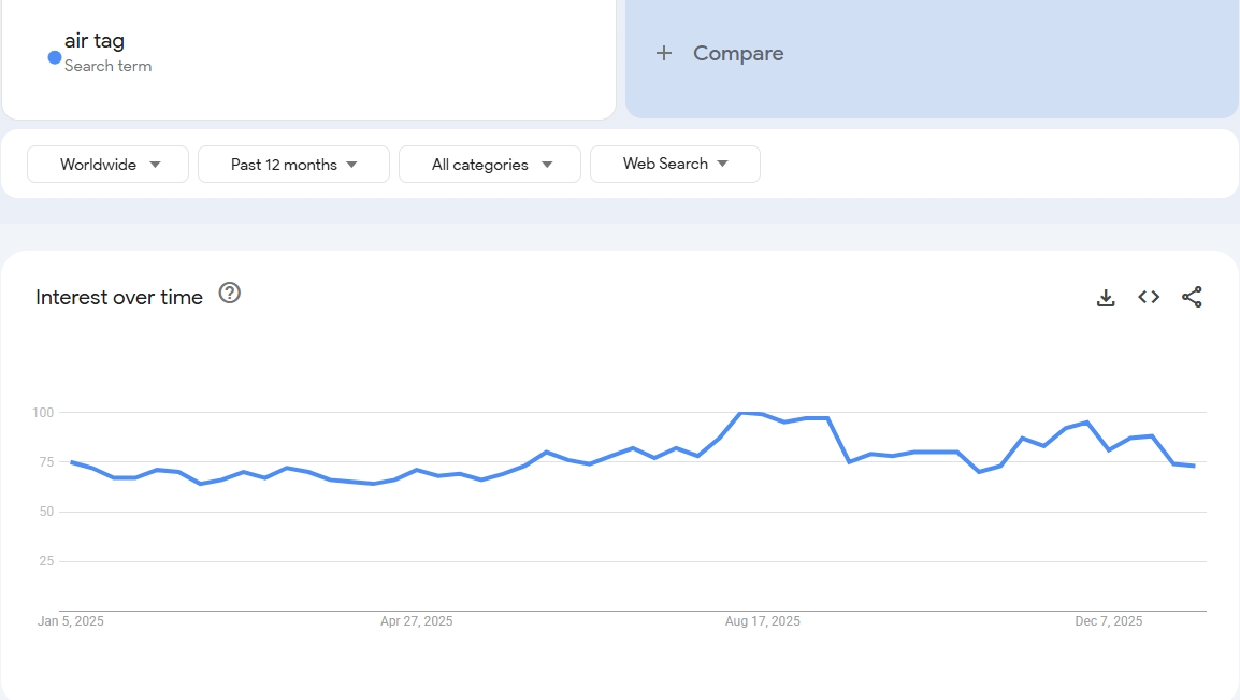
Market Demand and Trends: Analyze current market trends and consumer demand in your target market. Focus on products with stable or growing search on Google Trends or AMZscout.
-
Competition Analysis: Evaluate the competitive landscape before deciding on products. Avoid overly saturated markets with intense price competition. It's better to prioritize products that offer differentiation or niche opportunities.
-
Business Model Compatibility: Assess whether the product aligns with your business model, including logistics, storage, shipping costs, and sales channels. Matching your operational capabilities makes it easier to scale efficiently.
-
Profit Margin Potential: Consider production costs, shipping expenses, duties, and selling price. Ensure the product offers sustainable profit margins after all landed costs.
-
Alignment with China's Manufacturing Trends: Choose products that fit Chinese strengths and industrial trends, such as sustainable development and intelligent products. Aligning with China manufacturer trends improves supplier availability, quality consistency, and long-term scalability.
Choosing products using this structured approach helps minimize sourcing risks and supports consistent business growth. Thorough product research at this stage lays a strong foundation for successful importing.
Step 3: Find a Reliable Supplier
Thirdly, for a successful China import journey, working with reliable suppliers is better. The right supplier not only ensures product quality but also supports stable production timelines. Also, they offer clear communication throughout the order process.
Find Chinese Suppliers
Find Chinese SuppliersStart your search on trusted B2B platforms such as Alibaba, Global Sources, DHgate, and Banggood, which connect buyers with manufacturers across multiple industries.
Verify Suppliers
Always verify supplier legitimacy by reviewing business history, certifications, transaction records, and customer feedback. And test their communication skills and response speed. Established suppliers with consistent reviews and a proven track record are generally more reliable.
Structure Your Supplier Selection
Using clear and structured selection criteria helps reduce sourcing risks and supports long-term, stable partnerships.
Visit China for Sourcing
If possible, source offline at the Canton Fair or Yiwu International Trade City, where face-to-face supplier evaluation and negotiations are often more efficient than online sourcing.
Step 4: Verify Product Quality
Next, verify product quality to minimize risks when importing from China. Without proper quality control, even reliable suppliers may deliver products that fail to meet expectations.
The all process should begin with clearly defined product specifications. You should clear quality standards, inspection criteria, and acceptance levels, including materials, dimensions, workmanship, packaging, and performance requirements.
Even write them into the contract. This helps prevent arguments by giving clear standards to check product quality. It also helps hold people responsible if things are not done right.
Then request the manufacturers' product details and pre-production samples. Compare them closely with your quality standards before starting mass production.
To further reduce risk, working with independent third-party inspection companies is highly recommended. Like EJET Procurement, we have rich experience in quality control to inspect from production to shipment to identify defects.
At last. Quality control should not be treated as a one-time task. Ongoing quality monitoring across production batches is essential to ensure consistency over time. Even with trusted suppliers, regular inspections help maintain stable quality when importing from China
Step 5: Negotiate Price and Terms
Effective negotiations lead to favorable terms and pricing. They lay the foundation for a strong business relationship with your supplier.
Before entering negotiations, buyers should research market benchmarks for similar products, including material quality, MOQs, and production complexity. A full preparation helps set realistic expectations and prevents pricing discussions from becoming disconnected from actual market conditions.
During negotiations, don't only focus on the price. Excessively low prices may prompt suppliers to compromise on material quality and reduce the frequency of quality checks. A more effective approach is to negotiate comprehensively, covering unit price, minimum order quantities, lead times, packaging standards, and quality expectations.
All negotiated terms should be clearly documented in written agreements. Clear contracts minimize misunderstandings and serve as a reference point in case issues arise during production or delivery. Please clearly stipulate pricing, payment schedules, delivery timelines, Incoterms, and responsibilities for defects, returns, or delays.
Step 6: Make Order Payment
To import products from China, order payment is one of the highest-risk stages.
Use Secure Payment Methods
It prioritizes secure payment methods that protect both parties, such as letters of credit, escrow services, or reputable trade assurance programs. Secure payment methods protect both parties and build trust.
Stage Payments to Manage Risk
Payment terms should always be agreed upon before production begins. We recommend structuring payments in stages, which not only reduces risks but also helps manage cash flows. This term typically means a deposit followed by a balance payment after inspection or shipment confirmation.
Work with Trusted Financial Institutions
Stay vigilant for potential scams in the payment process. Carefully verify banking details, especially if changes are requested. Avoid informal payment instructions and work with trusted financial institutions to minimize the risk of fraud.
Step 7: Manage Shipping and Customs
Logistics and customs are the final step, but they're equally important. Proper coordination of them ensures that products arrive on time and without unnecessary costs.
At this stage, clear communication between the supplier, freight forwarder, and buyer is essential. Working with experienced agents helps streamline logistics decisions, including shipping methods, transit times, and cost optimization. Here is the best freight forwarders list when importing from China.
Remember, customs clearance requires accurate and complete documentation. Incorrect HS codes, missing paperwork, or non-compliant declarations can lead to shipment delays, additional duties, or cargo holds. You should ensure all documents are prepared correctly before the shipment departs
What are the Trending Products to Import from China
Selling trending products can significantly boost profitability. China offers a wide array of items that cater to global demands.
Currently, certain categories are gaining traction. These include electronics, sustainable products, and health and wellness items. The demand for such products is growing due to their popularity and utility.
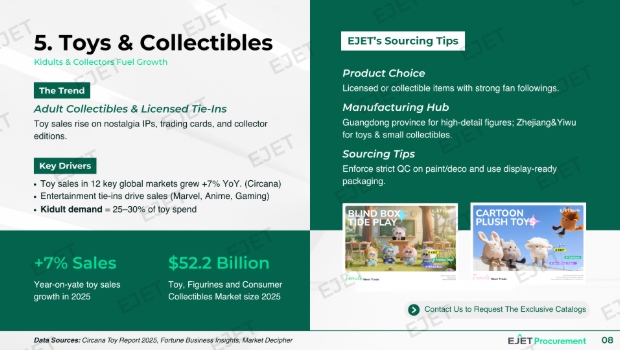
Based on EJET's 20+ years of experience working with hundreds of buyers and importers, we find the following product categories have shown the strongest demand. These segments represent the main trending import categories from China for global buyers:
-
Lifestyle & Wellness
-
Tech Gadgets & Accessories
-
Trend Toys & Collectibles
-
Beauty & Personal Care
-
Creative Home Products
-
Fashion Accessories
-
Stationery & Office Supplies
-
Gifts & Seasonal Items
Yiwu, known as the world's largest small commodities city, is an ideal sourcing destination for these product categories. It is especially suitable for importers seeking cost-effective products and multi-SKU sourcing solutions. Many professional sourcing agents offer market guides, LCL consolidation, and end-to-end services.
If you are interested, please contact us for free sourcing advice and a complete trending categories report.
What are the Useful Tools and Resources in China Import
Successfully importing products from China involves utilizing various tools and resources. These can streamline the import process and minimize risks. They also provide insights into market trends and supplier reliability.
Essential tools and resources:
-
Online B2B Wholesale Platforms
-
Third-Party Verification Tools
-
Tariff Calculation & Customs Tools
This is a detailed table of these tools.
|
Category |
Tool / Resource |
Purpose |
Best For |
|
Online B2B Wholesale Platforms |
Alibaba |
Global B2B sourcing platform to discover verified suppliers and compare MOQ for importing products from China. |
First-time buyers, broad product sourcing |
|
Global Sources |
Verified Chinese manufacturers and exporters, ideal for buyers seeking reliable China sourcing options. |
Mid-to-large buyers seeking reliability |
|
|
Made-in-China |
Industrial and consumer product sourcing platform with factory-focused listings for China imports. |
Industrial goods, OEM sourcing |
|
|
1688 (Chinese Alibaba) |
Domestic Chinese wholesale platform offering competitive pricing for bulk import orders. |
Buyers with China teams or sourcing agents |
|
|
Third-Party Verification Tools |
SGS |
Global inspection, testing, and supplier verification services to ensure quality when importing from China. |
Quality control, compliance |
|
TÜV |
Supplier audits and certification services for safe China sourcing and EU compliance. |
EU-focused compliance needs |
|
|
Intertek |
Product safety testing and inspection tools to verify Chinese suppliers and reduce import risks. |
Consumer goods, electronics |
|
|
QCC / Tianyancha |
Chinese corporate verification platforms to check supplier registration, legal status, and reliability. |
Supplier background verification |
|
|
Tariff Calculation & Customs Tools |
HS Code Lookup (WCO / local customs) |
Harmonized System code reference to classify Chinese products and calculate import duties. |
Correct product declaration |
|
U.S. Customs Duty Calculator |
Estimate U.S. tariffs and import taxes on products sourced from China. |
U.S. importers |
|
|
EU TARIC Database |
EU import tariff database for accurate customs duty calculation on China-sourced goods. |
EU-bound shipments |
|
|
Customs Broker Systems |
Digital platforms to streamline customs clearance, import documentation, and China sourcing logistics. |
High-volume or regulated imports |
Final Words
Importing from China does not have to be risky or complicated. By this step-by-step guide, buyers can significantly reduce uncertainties at every stage.
For businesses looking to scale efficiently, partnering with a trustworthy China sourcing agent can further streamline the process. From supplier vetting and quality inspections to logistics coordination and customs clearance, expert guidance minimizes risks and saves valuable time.
FAQ
How much Tax will I Pay If I Import from China?
The tax you pay when bringing goods from China depends on the product's HS code, its value, and the rules of the country you are importing to. For items coming into the U.S., this usually includes normal import taxes and sometimes extra Section 301 tariffs on goods from China.
Do I Need a Permit to Import from China?
A permit might not always be necessary, but some products require specific licenses. This is particularly true for regulated items, such as food, medicines, electronics, and machinery. Always verify with local authorities to ensure you have the correct documentation.
What Items Get Stopped at Customs?
Certain items are prone to being stopped at customs due to safety, legality, or compliance reasons. Try to avoid importing weapons, counterfeit goods, and hazardous materials from China. Research your product category diligently to avoid unexpected hold-ups.
