
Still worried your China sourcing orders will be delayed or canceled during the CNY shutdown 2026?
During this season, securing production and shipping capacity is important than price.
This 5-step approach helps you understand how to successfully source from China during the CNY Shutdown.
-
Shift the goal from price to capacity availability
-
Work with backup factories, not single suppliers
-
Lock QC and packaging before January cutoffs
-
Secure logistics early, even at higher costs
-
Use a sourcing agent with on-site production control
The Chinese New Year (CNY) is a significant event in China. It brings joy and celebration, but also challenges for businesses.
Factories across China shut down for weeks during this period. This leads to production delays and supply chain disruptions.
For companies sourcing from China, the CNY shutdown is a critical time. Effective CNY sourcing planning can reduce risks. Early planning and proactive measures are key to success.
This step-by-step guide provides insights and strategies to help businesses navigate the 2026 CNY(February 17th) shutdown effectively. Dive in.

What are the Real Impacts during the Chinese New Year Shutdown?
The Chinese New Year shutdown has far-reaching consequences for global supply chains. Factories cease operations for weeks, disrupting production. This pause creates a ripple effect on production schedules worldwide.
As factories wind down, businesses often face increased demand but limited supply. This imbalance leads to potential stockouts and production bottlenecks. The weeks before the holiday can be chaotic.
Various challenges impact businesses during this period: quality risk, freight rates, costly delays, etc.
The "Pre-Holiday Rush": Quality Risk
The period leading up to CNY is hectic. Factories prioritize completing orders before shutting down. In this rush, quality control often suffers as speed trumps thoroughness.
Factories expedite orders to meet pre-holiday demand. This pressure can lead to errors slipping through quality checks. Compromised product quality can result in unhappy customers and costly returns.
Key strategies to mitigate quality risk include:
-
Early Order Placement: Allow ample time for production.
-
Routine Inspections: Ensure consistent quality checks.
-
Supplier Communication: Establish clear quality expectations.
These measures help maintain product standards despite the rush.
The Logistics Crunch: Freight Rates
The logistics sector faces intense pressure during CNY. Freight rates spike, driven by high demand and limited availability. This surge affects shipping costs for businesses globally.
Port congestion adds to the challenge, with delayed shipments impacting delivery schedules. Businesses must prepare for potential extended lead times during this period.
Strategies to navigate the logistics crunch include:
-
Pre-Booking Freight: Secure capacity in advance.
-
Flexible Shipping Options: Explore alternative routes.
-
Collaboration with Partners: Regularly communicate with freight forwarders like EJET Procurement.
These approaches help manage costs and ensure timely deliveries.
Production Shutdown: Costly Delays
The CNY factory shutdown halts production for weeks. This cessation can derail supply chains, causing significant delays. Businesses reliant on Chinese manufacturing must be proactive.
Post-holiday, factories face labor shortages. Workers may extend their break, complicating production schedules. Delayed restarts can further prolong order fulfillment.
Strategies to mitigate delay impacts include:
-
Increased Inventory: Stock up before shutdowns.
-
Diversified Suppliers: Use backup vendors to maintain flow.
-
Time Buffers: Build in additional lead time for unexpected delays.
These actions can cushion against the disruptions of prolonged shutdowns.
Tip: Effective communication with suppliers is vital. Businesses must understand shutdown schedules to plan effectively. Without robust preparation, the disruptions can strain supply chains considerably.
Here is the typical shutdown window:
|
Timeline Stage |
What Happens |
|
3–4 Weeks Before CNY |
Production begins slowing down. New orders face extended lead times. Factories stop accepting last-minute rush orders. |
|
1–2 Weeks Before CNY |
Most factories halt production. Workers start traveling home. Logistics delays increase due to pre-holiday shipping surges. |
|
Chinese New Year (February 17th, 2026) |
Official holiday begins. Factories fully closed. |
|
1–2 Weeks After CNY |
Peak shutdown period. Factories remain closed with minimal operations. |
|
2–3 Weeks After CNY |
Workers gradually return. Partial production resumes but capacity remains very limited. |
|
3–4 Weeks After CNY |
Majority of workforce back. Production ramps up but backlogs are common. |
|
4–6 Weeks After CNY |
Operations typically return to full capacity. Logistics normalize, though residual congestion may persist. |
Why 2026 Is More Risky Than Previous Years
"This year's CNY celebrations and the impact on global supply chains are even more unpredictable than previous years," said Uwe Haizmann, Partner EAC International Consulting in 2025.
And now, the Chinese New Year shutdown in 2026 presents unique and harder challenges. Several factors contribute to heightened risks for global supply chains. Understanding these risks enables better preparation.
Firstly, labor shortages are more acute than in prior years. Factories face difficulties securing enough workers post-CNY, which hinders production.
Secondly, rising domestic demand adds to the strain. Factories prioritize local orders over exports, complicating international supply chains.
Small factories struggle with labor return rates. Many workers extend their holiday beyond the official
period, reducing factory output.
Logistic congestion further exacerbates the situation. Port delays and restricted cargo space worsen shipping timelines.
Key risk factors in 2026 include:
-
Labor Shortages: Fewer workers extend shutdown delays.
-
Domestic Demand: Local markets compete with export needs.
-
Factory Limitations: Small operations face greater stability issues.
-
Logistic Pressure: Congestion amplifies shipping woes.
Navigating these complexities requires careful planning and a flexible strategy.
How to Successfully Source from China During CNY Shutdown
Successfully navigating the Chinese New Year shutdown requires strategic planning. Businesses must adapt and rethink their sourcing processes.
Flexibility and preparedness are key to mitigating disruptions.
Adopt a multi-pronged approach for resilience. Focus on increasing capacity, securing logistics, and collaborating with reliable partners. Early action can ensure a smoother operation during this challenging period.
Here are the steps to avoid loss:
-
Step 1: Shift Goal from Price to Capacity
-
Step 2: Use Backup Factories, Not Single Suppliers
-
Step 3: Lock QC and Packaging Immediately
-
Step 4: Secure Logistics Even at Higher Costs
-
Step 5: Work with a Sourcing Agent with On-Site Control
Step 1: Shift Goal from Price to Capacity
During the CNY shutdown, your biggest risk is not paying too much. It's not being able to produce at all. So, your sourcing focus should shift from negotiating price to securing production capacity.
Many factories will still quote low prices, but without enough workers or production slots, those prices mean nothing if your orders can't be delivered on time. Delays, split shipments, and missed sales are the real costs buyers face during this period.
Your priority should be to work with suppliers that can guarantee stable output. Even this time is CNY.
Key Actions:
-
Opt for suppliers with proven capacity.
-
Emphasize consistent delivery over cost savings.
-
Evaluate supplier reliability to ensure commitments.
Step 2: Use Backup Factories, Not Single Suppliers
Relying on one factory during the CNY shutdown is one of the biggest sourcing risks. If that supplier loses workers or pauses production, your entire order is instantly at risk.
Instead, diversify your supply chain with backup factories. Maintaining at least two qualified suppliers gives you flexibility to shift production. This approach enhances flexibility and reduces dependency on a single source.
Diversification ensures continuity in case of unexpected shutdowns or delays. It allows for smoother transitions between suppliers.
Key Actions:
-
Identify potential secondary suppliers.
-
Develop relationships with multiple factories.
-
Establish contracts with backup plans in mind.
Step 3: Lock QC and Packaging Immediately
During the CNY, any last-minute changes can lead to serious bottlenecks. Quality checks and packaging decisions must be finalized before factories slow down. Once workers start leaving, available QC staff and packaging line capacity drop sharply.
Immediate packaging decisions streamline supply chain processes, keep your final production stages clean, controlled, and on schedule.
Key Actions:
-
Finalize QC protocols upfront.
-
Confirm packaging specifications early.
-
Schedule inspections to prevent defects.
Step 4: Secure Logistics Even at Higher Costs
Logistics are strained during CNY. Secure transportation ahead, even if costs rise. Waiting for ideal rates means no transport capacity and delayed inventory.
Paying more for guaranteed transport is often far cheaper than missing a selling season or dealing with stockouts.
Key Actions:
-
Book shipping capacities early.
-
Budget for potential freight increases.
-
Collaborate with trusted logistics providers.
Step 5: Work with a Sourcing Agent with On-Site Control
Sourcing from China during CNY without local support is extremely risky. Remote coordination alone can't handle workers' leave, schedules change, shipments, and more troubles. A professional sourcing agent provides real-time on-site control. Key Actions:
-
Choose agents with strong local networks.
-
Ensure they have oversight capabilities.
-
Utilize their expertise for smoother operations.
How EJET Supports Global Importers During CNY Shutdown
With 20+ years of local sourcing experience and a strong supplier network, we can respond quickly when disruptions occur. We coordinate QC, reallocate capacity, and solve urgent problems to keep your supply chain running smoothly.
Our core services:
-
Multi-factory capacity booking: Securing production slots across multiple factories to reduce dependency on a single supplier and maintain stable output.
-
Pre-holiday production locking: Confirming orders and line bookings before factories slow down to prevent last-minute cancellations.
-
On-site inspections before shutdown: Conducting physical QC checks to identify and resolve quality issues before production pauses.
-
Shipping allocation controls: Reserving cargo space and managing routing options to avoid port congestion and shipment delays.
-
Post-holiday restart management: Coordinating factory reopens and order prioritization to accelerate production recovery after CNY.

5 Common Sourcing Mistakes Before CNY Shutdown
Navigating the CNY shutdown requires strategic foresight. However, many businesses still fall into common traps. Avoiding these pitfalls can significantly reduce disruptions.
Chasing Low Prices over Production Security
Focusing solely on price can jeopardize production stability. It's crucial to balance cost with reliability. Secure suppliers that ensure consistent quality and timely delivery.
Key Risks:
-
Compromised product quality
-
Disrupted supply schedules
-
Increased long-term costs
Not Pre-Booking Production Slots
Many overlook the importance of early booking. Factories quickly fill slots as CNY approaches. Pre-booking guarantees production does not stall.
Key Risks:
-
Missed deadlines
-
Increased competition for capacity
-
Production delays
Ignoring Logistics Capacity Reservation
Logistics demand surges during CNY. Failing to reserve logistics can lead to delays. Plan shipments well in advance for seamless delivery.
Key Risks:
-
Heightened freight costs
-
Shipment backlogs
-
Delayed deliveries
Skipping Final Inspections
Neglecting final inspections risks compromised quality. Ensure thorough checks before shipping. Early detection of issues prevents later problems.
Key Risks:
-
Undetected defects
-
Customer dissatisfaction
-
Increased return rates
Paying Deposits too Late
Delaying deposits can cause cancellations. Factories prioritize orders secured by deposits. Timely payments secure production commitments.
Key Risks:
-
Lost production slots
-
Prioritized competitors
-
Compromised supplier relationships
After CNY: What are the Recovery & Future Opportunities
After CNY, businesses must promptly restart production. The post-holiday phase is critical for regaining momentum. Identifying opportunities during this period can propel businesses forward.
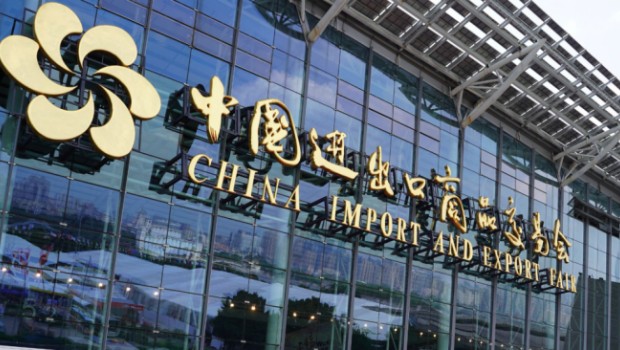
Focusing on future opportunities, like the Canton Fair, can enhance competitive advantage. These platforms offer unique insights and networking opportunities, aiding future planning. Seizing these opportunities ensures a strategic edge.
Post-CNY Hangover: Restarting Production
Restarting production post-CNY involves tackling delays and labor shortages. Factories often experience a slow return to full capacity. Expect discrepancies due to absent workers.
Develop a strategy to reintegrate the workforce efficiently. Communicate early with suppliers to determine personnel availability. Ensure streamlined operations resume swiftly.
Key Focus Areas:
-
Workforce retention plans
-
Enhanced supplier communication
-
Real-time production tracking
Monitor production metrics closely to overcome bottlenecks. Flexibility during this period allows for adjustments. Gradual scaling back to normal operations aids recovery.
Opportunity: The Spring Canton Fair (April 2026)
The Spring Canton Fair presents a prime opportunity. Held in April 2026, it's a significant global trade event. You can get benefits by exploring this trade fair.
-
Meet diversified suppliers: Connect with verified manufacturers across multiple categories.
-
Source new products: Discover fresh SKUs and innovation-driven product trends.
-
Track market direction: Identify emerging designs, materials, and price shifts.
-
Build factory relationships: Establish direct connections that support long-term sourcing stability.
-
Optimize future sourcing: Strengthen supplier shortlists and backup factory networks ahead of peak seasons.
Planning your visits efficiently and targeting the right halls can significantly improve sourcing outcomes and partnership potential. Read our complete buyer guide: How to Visit the Canton Fair.
Final Checklist for Buyers Sourcing from China in CNY 2026
Before diving into your sourcing tasks, ensure you're thoroughly prepared. Having a comprehensive checklist eases potential hurdles during CNY. Double-check every detail for a seamless experience.
Key items to include in your checklist can make all the difference:
-
Confirm supplier shutdown dates
-
Lock in production slots early
-
Secure logistics arrangements pre-CNY
-
Conduct final quality inspections
-
Communicate regularly with suppliers
Adhering to this checklist helps maintain control throughout the CNY period. By doing so, you safeguard your supply chain and ensure uninterrupted operations.
Conclusion
CNY shutdowns are one of the most critical challenges for global buyers sourcing from China. Production stops, workforce shortages, and logistics congestion are unavoidable, but disruption can be minimized with proper planning and execution.
Whether you start preparing well in advance or are sourcing urgently in December, the key is to secure production capacity, lock quality control, and maintain strong on-site coordination. These steps ensure orders stay on schedule and product quality remains high.
To ensure a smooth CNY sourcing experience, please contact us to get a free quote. We will help you lock production, verify quality, and coordinate logistics before the holiday.
FAQ
When do factories close for Chinese New Year 2026?
Factories begin closing one to two weeks before the Chinese New Year. For 2026, expect closures from mid to late February. It's crucial to verify exact dates with individual suppliers to avoid surprises.
Is it still possible to place orders in December?
Yes, but be prepared for longer lead times. Place orders by early December. This timing allows for production amidst the holiday rush. Be aware that some suppliers may already have full schedules.
How to reduce the risk of supply chain disruptions?
Diversify your suppliers and increase your inventory before the shutdown. Effective communication and strategic planning are essential. Having contingency plans and using supply chain management tools can greatly minimize risks.
