

I've watched hundreds of importers wire money to China for the first time. The ones who lose money almost never lose it because they picked the wrong product. They lose it because they picked the wrong partner — or tried to go it alone when they shouldn't have.
A sourcing agent can be the difference between a $5,000 test order that launches your business and a $5,000 lesson you'd rather forget. But here's what nobody tells you: the agent doesn't determine your success. You do — by knowing what to ask, what to verify, and what to walk away from.
What a China Sourcing Agent Actually Does (And Doesn't Do)
A sourcing agent is your on-the-ground team in China. They find factories, negotiate prices, check quality, and coordinate shipping — so you don't have to fly to Guangzhou every time you need a quote.
That sounds simple. The confusion starts when people mix up sourcing agents with trading companies.
A trading company buys products from factories and resells them to you at a markup. They own the inventory. They choose the supplier. You never know the factory price, and you never meet the factory.
A sourcing agent works for you. They don't own inventory. They find suppliers based on your specifications, negotiate on your behalf, and give you visibility into the factory price. The good ones charge a transparent fee on top — not a hidden markup underneath.
Think of it like hiring a local real estate agent when buying property in a foreign country. You could do it yourself. But you don't speak the language, you don't know the neighborhoods, and you can't tell a solid foundation from a fresh coat of paint.
What a sourcing agent typically handles:
- Supplier identification and factory verification
- Price negotiation in Mandarin
- Sample coordination and approval
- Production monitoring and quality inspections
- Shipping coordination (sea, air, rail, DDP)
- Multi-factory consolidation into a single shipment
What they don't do: make product decisions for you, guarantee zero defects, or replace your own due diligence. A sourcing agent amplifies your judgment — they don't substitute for it. If you can't articulate what you want, no agent can find it for you. Here's a more detailed look at what a China sourcing agent actually does day-to-day.
When You Need a Sourcing Agent — and When You Don't
Not every import needs an agent. If you're buying 500 phone cases from a verified Alibaba supplier with Trade Assurance, you can probably handle that yourself. The product is standardized, the risk is low, and the learning experience is worth the effort.
But here's the pattern I see over and over: buyers start on Alibaba, get burned once or twice, and then look for an agent. The smarter move is knowing when to skip the solo phase entirely.
You likely need a sourcing agent when:
- Your order exceeds $10,000 and involves custom specifications
- You're sourcing from multiple factories across different provinces
- The product requires compliance certifications (CE, FDA, CPSIA)
- You've never imported before and can't afford a $15,000 education
- You need ongoing production — not a one-time purchase
You probably don't need one when:
- You're buying off-the-shelf products with no customization
- Your total order is under $3,000
- You already have a verified supplier relationship
- You're just ordering samples to test a product idea
The data backs this up. Over 60% of sourcing disputes between international buyers and Chinese suppliers trace back to misaligned expectations and communication gaps — not defective products. An agent sitting between you and the factory doesn't just translate language. They translate business culture, payment norms, production timelines, and quality standards. Not sure which sourcing channel fits? This comparison of agents vs Alibaba vs trade shows vs Yiwu Market breaks it down by situation.
The Three Types of Sourcing Agents
Not all sourcing agents operate the same way. Understanding the three main types saves you from hiring the wrong one for your needs.
Individual freelance agents charge 5–10% commission and work best for straightforward orders under $50,000. You get direct communication and personal attention. The downside: if your agent gets sick, goes on holiday, or takes on too many clients, your order stalls. No backup team, no institutional knowledge.
Sourcing agencies also charge 5–10% but bring structured processes, multiple team members, and broader supplier networks. If your sourcing manager is unavailable, someone else picks up the thread. They handle more product categories and can manage multi-factory orders across provinces. The trade-off is less personalized attention — you're one of many clients.
Full-service providers charge 8–12% and cover the entire supply chain: sourcing, QC, warehousing, consolidation, logistics, even FBA prep. This is the right choice for complex or regulated products, multi-SKU operations, or buyers who want one point of contact for everything from factory gate to warehouse door. The higher fee reflects the broader scope — you're paying for infrastructure, not just introductions.
| Type | Commission | Best For | Watch Out For |
|---|---|---|---|
| Individual freelance | 5–10% | Simple orders <$50K, single category | No backup, scaling limits |
| Sourcing agency | 5–10% | Growing businesses, multi-category | Less personal attention |
| Full-service provider | 8–12% | Complex products, full supply chain | Higher cost, verify actual capabilities |
The mistake I see most often: buyers choose based on the lowest commission rate. A 3% agent who takes hidden kickbacks from the factory costs you more than a 10% agent with transparent pricing. Always evaluate the total cost of the relationship, not just the headline number. This comparison of top China sourcing agents shows what differentiates the major players.
How to Vet a Sourcing Agent Before You Wire a Dollar
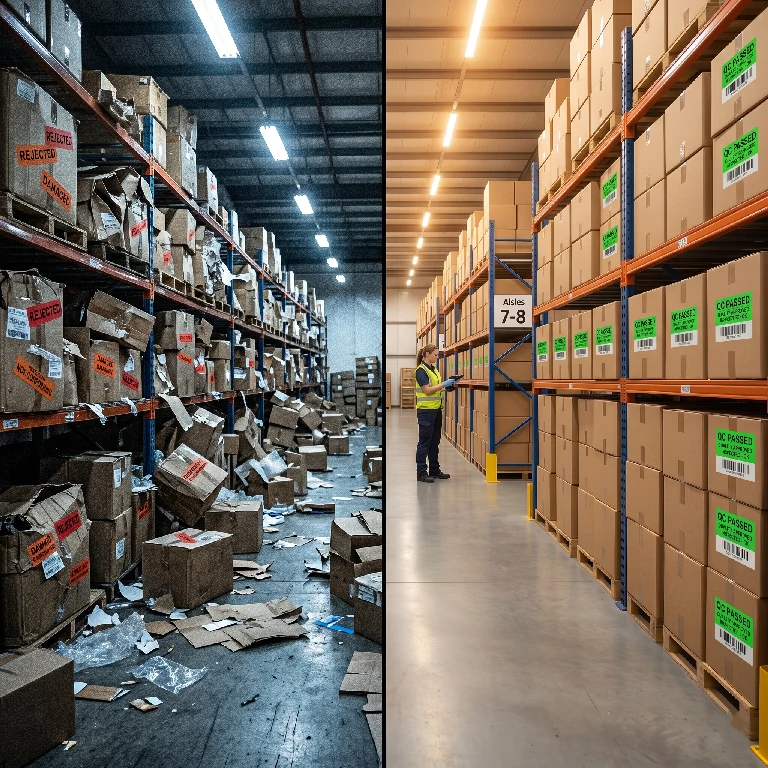
This is where most importers get it wrong. They find an agent on Google or LinkedIn, exchange a few emails, and wire money within a week. That's not hiring — that's hoping.
Vet your agent the way you'd vet a new hire. Because that's what they are: the person who controls your money, your product quality, and your timeline in a country where you have zero legal leverage if things go sideways.
Here's the vetting process I walk every new importer through:
Step 1: Verify the business is real. Ask for their Chinese business license. Then check it yourself on China's National Enterprise Credit Information Publicity System (NECIPS) — it's free and public. If the company name, registration number, or address doesn't match what they told you, stop there.
Step 2: Test responsiveness before you need it. Send a detailed product inquiry with specific questions. A serious agent responds within 24–48 hours with relevant follow-up questions — not a generic "we can help with everything" reply. Ask for a video call. If they dodge it, that tells you something.
Step 3: Request factory proof, not promises. Ask them to arrange a 60-second video walkthrough of a factory they've worked with — within a few days, not weeks. Any agent with real supplier relationships can do this. An agent who only sends you Alibaba screenshots is not an agent. They're a middleman with a website.
Step 4: Talk to their clients. Ask for two or three references and actually call them. Ask specific questions: How did the agent handle a quality problem? Were there surprise fees? Would you use them again for a larger order?
Step 5: Start small. Your first order should be $5,000–$10,000. Enough to test the full process — communication, sourcing, QC, shipping — without catastrophic downside. If the agent pushes you toward a larger commitment before proving themselves, that's a red flag.
Red flags that should end the conversation immediately:
- They use a personal Gmail or Yahoo email instead of a corporate domain
- They pressure you for 100% payment upfront
- They claim "exclusive" factory access or impossibly low prices
- They refuse video calls or factory visits
- They won't provide a written, itemized fee breakdown
- Their commission is suspiciously low (under 3%) — that usually means the real margin is hidden in the factory price
More on spotting bad sourcing agents and the behavioral warning signs here.
What a Good Sourcing Agent Actually Costs
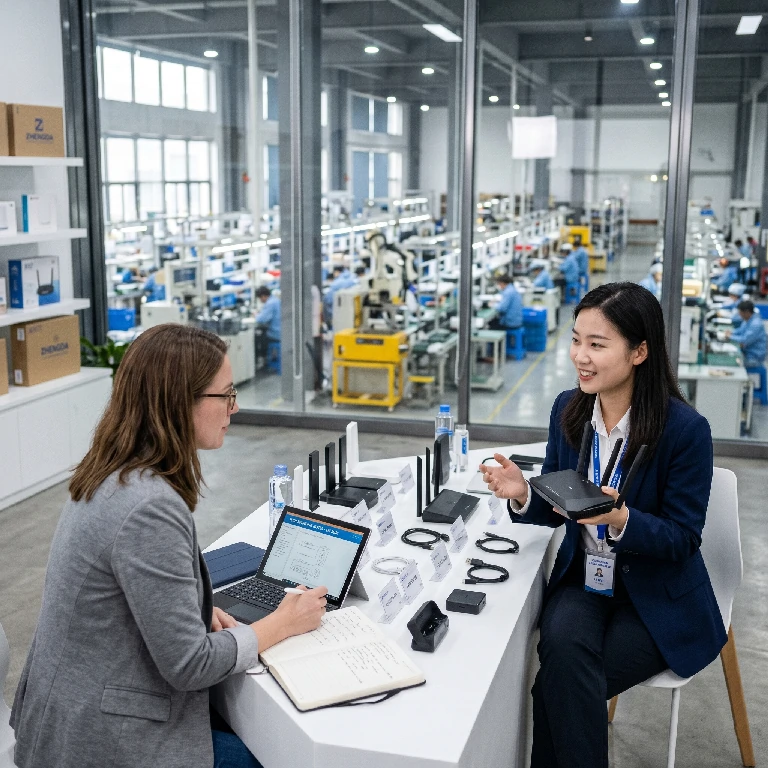
Let's talk numbers, because this is where the industry's transparency problem lives.
Most sourcing agents quote a commission of 3–10% of your order value. That range is real — but it's not the whole picture.
Here's what the range actually means:
- Individual freelancers: 5–10%, lower overhead, direct relationship
- Agencies: 5–10%, varies by order complexity and volume
- Full-service providers: 8–12%, includes QC, warehousing, logistics coordination
Some agents offer flat fees instead: $2,500–$9,000 per project, depending on scope. Others charge hourly at $50–$100. For specific add-ons, expect Amazon FBA prep at roughly $0.15 per unit (with a $50 minimum per order).
Now the part nobody advertises. Many agents who quote 5% are actually earning 20–25% on your order. How? Factory kickbacks. The agent tells the factory to inflate the quoted price, and the difference goes back to the agent as a hidden commission. You think you're paying 5%. You're actually paying 5% plus a 15–20% markup baked into the "factory price."
This isn't universal — plenty of agents operate transparently. But it's common enough that you need to protect yourself.
How to detect hidden markups:
- Get quotes from the agent and directly from 1688.com (China's domestic Alibaba) for the same product. If the agent's "factory price" is 30%+ higher than 1688 listings, ask why.
- Request the factory's original quotation document — not a reformatted version from the agent.
- Ask the agent to break down every cost line: factory price, agent fee, shipping, inspection. Three visible lines, no bundled mystery numbers.
Here's the math that matters. If quality failures cost you 20–30% of your order value in returns, replacements, and lost customers, a transparent 8–10% agent fee that prevents those failures is the cheapest insurance you'll buy. One importer I worked with — a wellness brand sourcing fitness equipment — cut supplier costs by 40% while adding quality inspections and better packaging, simply by switching from a "cheap" agent to one with transparent flat-fee pricing. Both sourcing agent fee structures and cost breakdowns by service type are worth reviewing before you sign anything.
Your First Order: What the Process Looks Like Step by Step
The gap between "I found an agent" and "my goods arrived" is where most first-timers panic. Not because the process is complicated — but because nobody walked them through it before they started.
Here's what a typical first order looks like, from brief to delivery:
Week 1–2: Product brief and supplier matching. You send your agent a detailed product specification — materials, dimensions, colors, packaging, target price, quantity. The more specific you are, the faster this goes. Your agent identifies 3–5 potential factories, gets initial quotes, and presents options with factory profiles.
Week 2–3: Sample phase. You pick 1–2 factories and request samples. Budget $50–$200 per sample plus shipping. This is not optional. Never approve production based on photos alone. When samples arrive, test them like your pickiest customer would. Mark every issue — color, weight, finish, packaging — and send detailed feedback.
Week 3–4: Negotiation and order confirmation. Once you approve a sample, your agent negotiates final pricing, MOQ, payment terms, and production timeline. You'll typically pay 30% deposit to start production, with 70% due before shipment. Get everything in a written purchase order — not just a WeChat agreement.
Week 4–8: Production. This is where a good agent earns their fee. They monitor production progress, send you updates, and schedule inspections. For orders over $5,000, insist on at least one mid-production check (called DUPRO) to catch problems before 100% of units are finished. Fixing a defect at 30% completion costs a fraction of fixing it after the full run.
Week 8–9: Pre-shipment inspection. Before your goods leave the factory, your agent arranges a final inspection using AQL 2.5 sampling standards. This is your last chance to reject or rework before shipping. If the inspection fails, a good agent negotiates rework or replacement at the factory's cost — not yours.
Week 9–12: Shipping and delivery. Your agent coordinates freight — sea (25–35 days), air (5–10 days), or rail (18–22 days) — handles export documentation, and tracks the shipment. If you're consolidating from multiple factories, the agent routes everything through a central warehouse first, so you receive one shipment instead of four.
One private label business I guided through this process sourced 7,200 custom-designed units from a new supplier and had them delivered in just two months. That timeline is realistic when you have an experienced agent managing the moving parts — and nearly impossible when you're doing it alone for the first time. If you want a phase-by-phase checklist, this step-by-step sourcing guide for beginners covers each stage.
Managing Quality Control Through Your Agent
Quality control is not a single event at the end of production. It's a system that runs from sample approval through final shipment. The importers who treat QC as a checkbox get exactly the results you'd expect.
Three inspection points matter:
Pre-production check. Before the factory starts your order, verify that raw materials match your approved sample. This takes 30 minutes of your agent's time and prevents the most expensive category of defects — wrong material, wrong color, wrong specification baked into every single unit.
Mid-production inspection (DUPRO). When 30–40% of units are finished, your agent visits the factory floor and inspects a random sample. This is your early warning system. If the factory drifted from spec — and factories drift more often than you'd think — you catch it when rework is still cheap. Skip this step on a 5,000-unit order and you're gambling $15,000 on a verbal promise.
Pre-shipment inspection (PSI/FRI). The final check before goods leave the factory. Your agent pulls a random sample based on AQL 2.5 standards and inspects against your approved specification. Cosmetic defects, functional testing, packaging accuracy, labeling, carton drop tests — everything gets checked.
What to insist on with your agent:
- Written inspection reports with photos — not just "everything looks good" over WeChat
- Clear pass/fail criteria agreed before production starts
- Your right to reject the shipment or demand rework if inspection fails
- At least 2–3 backup suppliers pre-qualified for your product, so you have leverage
This is where working with an experienced sourcing agent changes the equation. A solo buyer on Alibaba has no one on the ground to walk the factory floor. An agent with a dedicated QC team runs these inspections as standard protocol — not as an expensive add-on. The factory audit process goes even deeper if you want to vet the factory itself before placing an order.
Scaling the Relationship: From First Order to Long-Term Partner
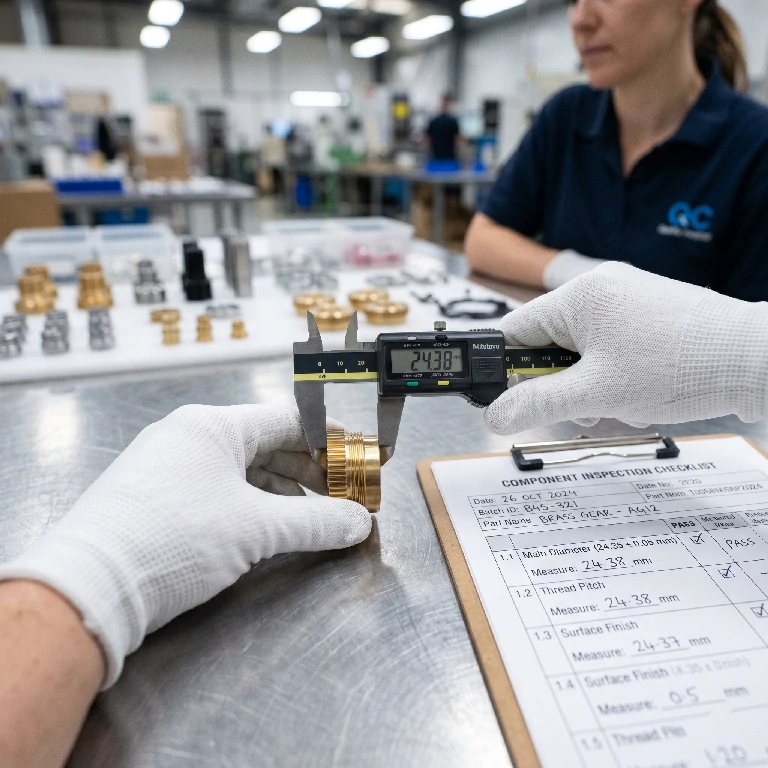
Your first order is a test — of the agent, the factory, and your own process. If it goes well, the real value starts on order two.
Here's what changes after a successful first order:
Negotiation leverage increases. You're no longer an unknown buyer. Your agent can negotiate better unit prices, shorter lead times, and more favorable payment terms (like 20/80 instead of 30/70) based on your track record.
New product development gets faster. Your agent already knows your quality standards, packaging preferences, and shipping requirements. Adding a new SKU takes days of briefing instead of weeks. The best agents proactively suggest products based on what's selling in your market — because they see order patterns across dozens of clients.
Multi-factory consolidation saves real money. As you add products from different factories — maybe kitchenware from Yiwu, electronics from Shenzhen, textiles from Guangzhou — your agent consolidates everything into a single shipment from one warehouse. Instead of paying for three separate ocean freight bookings, you fill one container. The savings on a 40-foot container versus three LCL shipments can reach 40–60%.
The relationship becomes a moat. After 3–5 successful orders, your agent knows your business better than any new agent could learn in months. They've built relationships with your specific factories. They know which QC inspector is thorough and which one rubber-stamps. This institutional knowledge is worth more than any commission discount a competitor agent offers.
The one thing to watch: don't let comfort become complacency. Review your agent's performance every 6–12 months. Are they still getting competitive quotes? Are inspection standards holding? Is communication still responsive? A good long-term relationship requires ongoing accountability from both sides.
Your Next Move
You don't need to find the perfect agent. You need to find a good-enough agent and place a small-enough order that you learn the process without risking your business.
Here's your action plan for this week:
- Write a one-page product brief — what you want, how many, target price, required certifications
- Contact three sourcing agents and send the same brief to each
- Compare their responses: speed, specificity, questions they ask back, fee transparency
- Run the vetting checklist from this guide on your top candidate
- Place a test order of $5,000–$10,000
The importers who succeed aren't the ones who eliminated all risk before starting. They're the ones who started small, learned fast, and scaled with a partner they'd verified through action — not promises.
Frequently Asked Questions
How much does a China sourcing agent charge?
Most agents charge 5–10% of your order value as commission. Full-service providers handling QC, warehousing, and logistics typically charge 8–12%. Some offer flat fees between $2,500 and $9,000 per project. The real cost to watch is hidden markups — agents who quote 3–5% but take factory kickbacks can inflate your true cost by 20–25%. Always request an itemized cost breakdown before signing.
Should I hire a sourcing agent from Fiverr or Upwork?
Freelance platforms give you access to individual agents at lower rates, but the vetting burden falls entirely on you. There's no institutional backup if the freelancer disappears mid-order. For orders under $10,000 with simple specs, a vetted Fiverr or Upwork agent can work. For anything involving custom molds, compliance certifications, or multi-factory coordination, a structured agency with a QC team is the safer bet.
Can I use a sourcing agent for dropshipping from China?
A sourcing agent can help you find reliable dropshipping suppliers and negotiate better per-unit pricing than you'd get on your own. The catch: most agents work on commission tied to order volume, so the economics only make sense once your monthly volume justifies their fee. For low-volume dropshipping, platforms like 1688 or Alibaba may be more cost-effective until you scale.
Do I need a sourcing agent in Guangzhou specifically?
Guangzhou is a major manufacturing hub, but your agent doesn't need to be based there. A good agent has supplier networks across multiple provinces — Yiwu for small commodities, Shenzhen for electronics, Guangzhou for garments and home goods. What matters is their verified factory relationships in the category you're sourcing, not their office address.
